The way a zipper is applied can change the appearance of a garment even when the same zipper is used. A lapped application is a traditional choice for a tailored skirt, dress or pair of trousers with a side or back opening. Its defining feature is an overlapping fold of fabric that conceals the zipper.
How a lapped zipper works
One side of the seam forms a narrow fold beside the zipper teeth. The other side overlaps that fold and covers the zipper. The stitching securing the underlap is hidden, while the lap usually has one visible lengthwise stitching line and a short connecting line at the bottom, depending on the method.
The overlap should cover the teeth without interfering with the slider. Both sides should lie flat when the closure is fastened.
Where to use it
A lapped zipper works well in many woven skirts and dresses, particularly when a traditional tailored finish is wanted. It can also be used in trousers with a side or back opening. Consider whether the pattern provides sufficient seam allowance for the chosen application and whether a waistband, facing or lining will meet the top of the zipper.
Compare the applications
| Application | Visible appearance | Typical use |
|---|---|---|
| Centered | Two parallel stitching lines | Skirts, dresses and other seam openings |
| Lapped | One overlapping fold with visible lap stitching | Side or back openings |
| Invisible | Teeth concealed in the seam, with no exterior zipper topstitching | Dresses, skirts and selected trousers |
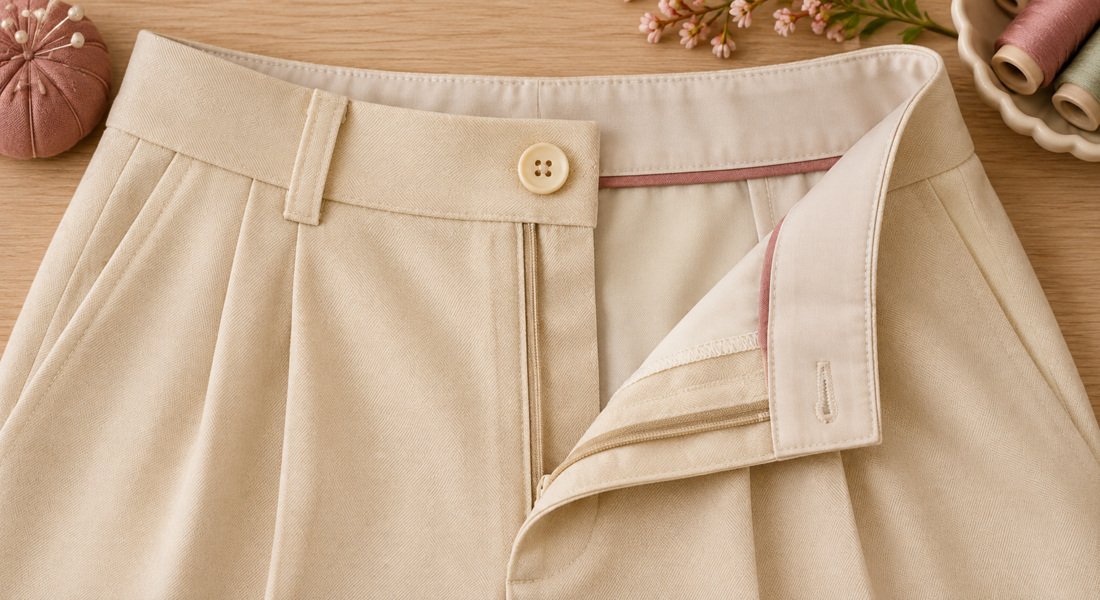
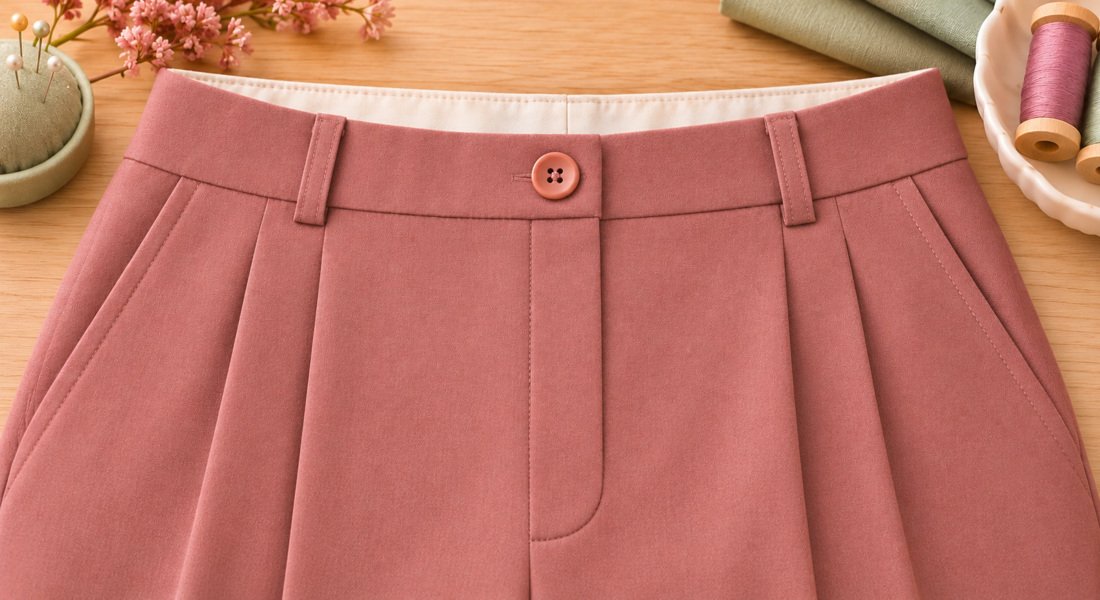
| Fly front | Concealed front closure with a shaped facing or extension | Tailored trousers and jeans |
A fly uses the same general idea of an overlap, but its construction is distinct. A fly shield and shaped topstitching are common features; the zipper itself is generally straight. A simple lapped seam opening does not need to imitate a trouser fly.
Prepare for a clean application
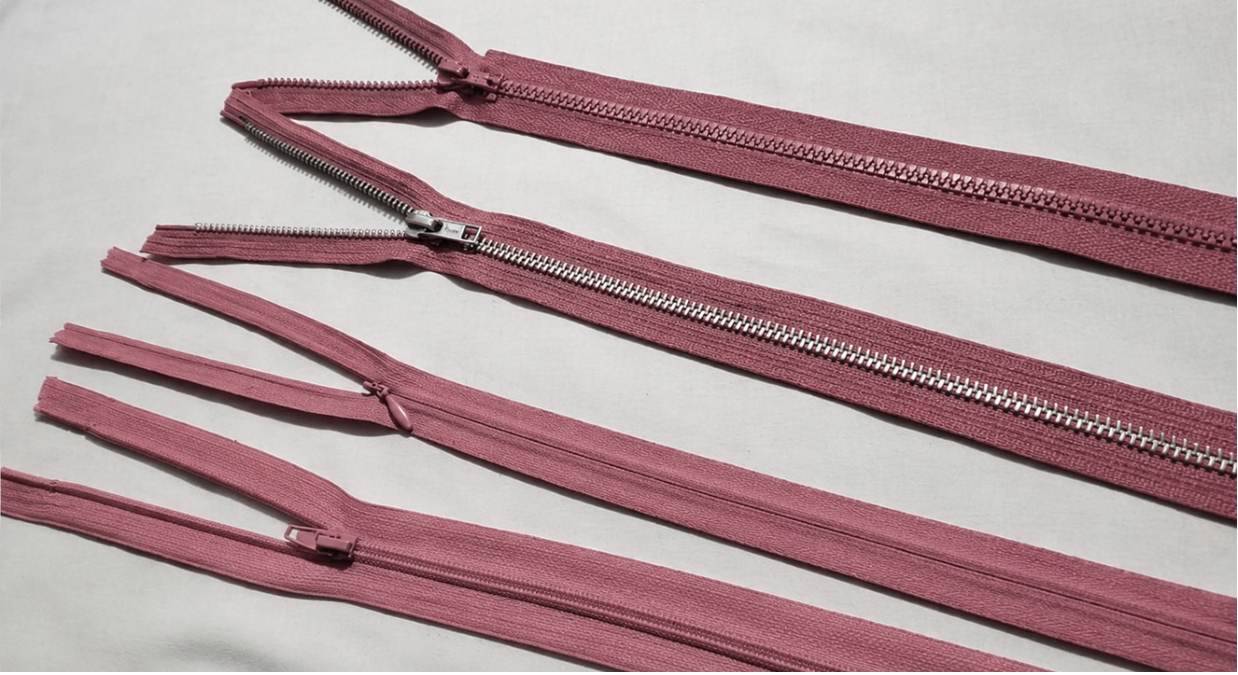
Choose a suitable closed-end zipper and verify the opening length. Read the pattern instructions before finishing or trimming the seam allowances. If the fabric is unstable, test an appropriate lightweight stabilizer. Press the folds accurately and baste the zipper in position before permanent stitching, particularly when the fabric tends to shift.
Use a zipper foot compatible with your machine. Keep the stitching clear of the teeth and stops, and move the slider out of the way when needed with the machine stopped. Check that the zipper opens freely and that the lap covers it evenly.
Practice before the garment
Make a sample using two scraps of your project fabric and a spare zipper. Examine the closed sample from the right and wrong sides. Check the coverage, the straightness of the stitching and the transition into the seam below the opening. Then open and close the zipper several times.
For help choosing the actual zipper type, read The Master Guide for Choosing Zippers for Tailored Garments. This article focuses on the application rather than repeating the zipper selection guide.
Back to The Sewing Journal