Fit versus Style: Building Your Wardrobe
No Comments
Every sewist has made a beautiful garment that never gets worn. Usually, the style was right but the fit was wrong. Fit is the structural foundation. It is the engineering that allows a garment to sit correctly on the body. Style is the creative expression. It is the silhouette, fabric, and details that make the garment yours. Understanding this distinction is the key to successful garment making. When you separate the technical requirements from the aesthetic choices, you gain total control over your sewing.
Why Do Handmade Garments End Up Unworn
Most sewists have a stack of finished garments they almost never reach for. The usual explanation is that something went wrong with the fit. But that is only half the answer. The other half is style. A garment that fits but feels like someone else’s clothing will stay on the hanger. So will a garment you love on the cutting table but cannot actually button across the back. Both failures lead to the same result: a beautiful piece of work collecting dust. The garments that actually get worn are the ones where both problems were solved at the same time. Fit was handled first so the garment sits correctly on the body. Style was chosen deliberately so the finished piece actually reflects who the person wearing it is. When one of those is missing, the garment almost always gets skipped in the morning.
What Is Fit?
Fit is the physical relationship between the fabric and your body. It is purely technical and non-negotiable. If the structure is off, the garment will never feel right, regardless of the design.
As sewists, we manage fit through four primary elements:
- Ease: Ensuring there is enough room for movement without losing the intended shape of the pattern.
- Grain: Keeping the vertical and horizontal threads of the fabric perfectly aligned with the floor and the body to prevent twisting.
- Balance: Making sure the garment hangs evenly from the shoulders and waist, without tilting toward the front or back.
- Dart Placement: Using shaping to mirror your specific curves. When a dart is positioned correctly, the fabric skims the body rather than pulling against it.
When these four elements are correct, the fabric works in harmony with your body. You aren’t constantly adjusting your clothes because the engineering is sound.
What Good Garment Fit Actually Feels Like
Most sewists can spot a fit problem. The pulling across the back, the drag lines at the hip, the collar that gaps. But fewer can describe what correct fit actually feels like, because they have not experienced it often enough to name it.
A well-fitted garment disappears. You put it on and stop thinking about it. There is no pulling, no tugging, no adjusting throughout the day. The fabric moves when you move and returns when you stop. The shoulders sit exactly where your shoulders are. The waist lands where your waist is, not where a pattern grader decided it should be.
When fit is right, you stand differently in the garment. You are not compensating for something that is slightly off. That ease of wearing is what you are actually after, even if you have been describing it as a fitting problem all along.
What Is Style
Style is the personal expression. It is the silhouette you choose, the fabric that draws you in, the details that make a garment feel like yours. Style is what you see on the pattern envelope and think yes, that is exactly what I want to make. It is the creative half of garment making and it is entirely yours to decide.
While fit is technical and objective, style is subjective and evolves.
- The Silhouette: This is the overall shape, the A-line, the shift, the fit-and-flare. It’s the outline of the garment.
- The Fabric: This is the medium. The way a heavy wool drape differs from a crisp linen determines the “mood” of the style.
- The Details: Topstitching, button choices, pocket placement, and hemlines. These are the finishing touches that reflect who you are.
Where The Two Collide
This is where most garments either succeed or fail. You can choose the right silhouette, the right fabric, and the right design details, and still end up with a garment that does not work — because the fit underneath is not supporting the style on top.
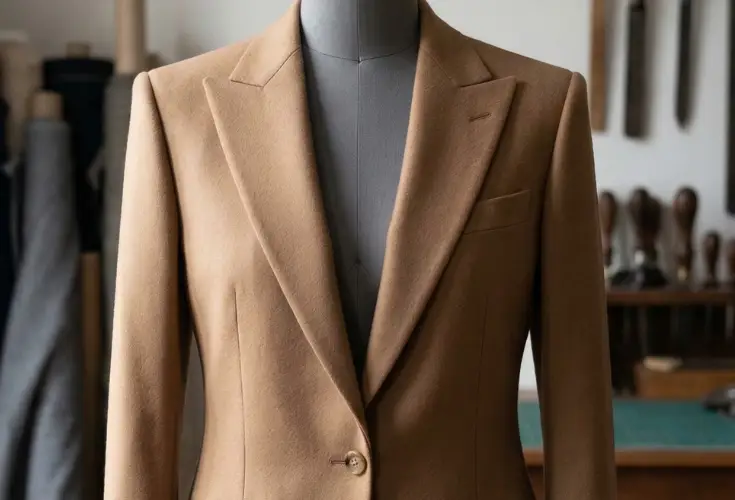
A wrap dress in a beautiful drape fabric loses its entire shape if the tie lands in the wrong place or the bodice is too wide through the shoulders. A structured jacket with clean lines becomes something else entirely when the back pulls across the shoulder blades or the sleeve cap sits too high. The silhouette you chose is still there in theory. But what you see in the mirror is not it.
This is the collision point. Fit does not just affect comfort. It affects whether the style you intended actually reads on your body. A well-chosen silhouette requires the engineering underneath it to hold it in place. When the fit is off, the style disappears with it.
The reverse is also true. A garment with sound fit but no intentional style choice is just a well-constructed garment. Functional. Correct. But not something you reach for because it excites you.
Both have to be present. The style sets the intention. The fit delivers it.
The goal is to stop choosing between the two. When you build a style you love on a foundation of sound fit, you create a garment that is both beautiful and wearable.
The Plus-Size Fitting Reality

Why Store-Bought Clothes Don’t Fit Plus-Size Bodies
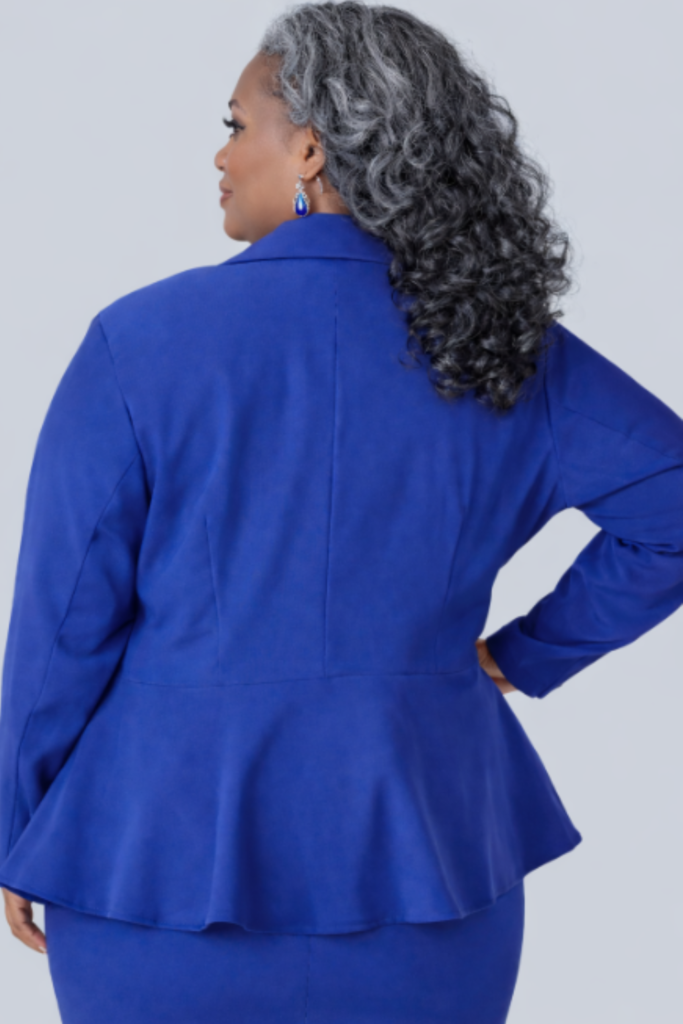
Mass-produced garments are built from a single set of proportions and graded outward mathematically. The result works reasonably well for bodies that are close to that original shape. Plus-size bodies distribute weight differently and carry curves in places the grade does not follow. The outcome is a garment that fits one measurement and pulls somewhere else. A dress that fits through the hips may pull across the upper back. A jacket that closes at the bust may gap at the shoulder. Sewing your own clothes removes that mismatch at the source. You are building from your own measurements from the start, not working backward from someone else’s proportions.
Plus-Size Women Deserve Both Fit and Style
When you sew your own clothes you are not choosing between a garment that fits and a garment that reflects your taste. You are building both from the same piece of fabric. The silhouette you choose, the details you add, the fabric you select, all of it is yours. The fit underneath it is engineered for your actual body and your actual proportions. This is the real advantage of sewing at an intermediate level. You are no longer just following instructions. You are making decisions, and those decisions add up to a wardrobe that is both structurally sound and genuinely yours.
How to Put Fit First (Then Layer in Style)

The secret to a successful wardrobe is a specific order of operations: you solve the fit first so that your creativity has a solid foundation. If you try to fix fit issues while you’re already halfway through a complex style, you’ll end up frustrated.
- Start with a reliable fitting foundation: This is where The Master Blueprint for Garment Fitting becomes your greatest tool. Instead of struggling with traditional fitting hurdles, you use a foundation designed specifically for the plus-size body.
- Once fit is solved, style becomes limitless: When your core foundation fits perfectly, you can adapt any pattern or design you see. You are no longer limited by what a pattern envelope says; you have the technical base to create whatever you imagine.
- The reward of technical freedom: You can finally choose that drapy silk charmeuse or a complex silhouette because you know your foundation will support it. When you aren’t fighting the grain or the balance, you can finally enjoy the fabric.
Fit is the foundation. Style is the house you build on it. No matter how beautiful your choice of fabric or how intricate your design details, the garment will only be as good as the engineering underneath it.
When fit is no longer the problem you are solving, style becomes the work you get to do. By building the technical foundation first, you gain the freedom to sew anything you want and the confidence to know you will actually wear it.
Getting fit and style to work together is one piece of building a wardrobe you actually love wearing. The other piece is whether sewing itself feels good while you’re making it. Take the Find My Sewing Pain Pattern quiz to find out what’s standing in your way, and get a starting point made for you.