Accurate garment construction begins with the pattern, fabric and fit. Equipment plays a supporting role: it helps preserve the shape you have planned. A seam that shifts during stitching or an edge that stretches during finishing can change the dimensions of the garment, even when the pattern was correct.
Before buying another machine, identify the operation that is giving you trouble. A change in setup or technique may solve it with the equipment you already own.
The sewing machine: control the seam
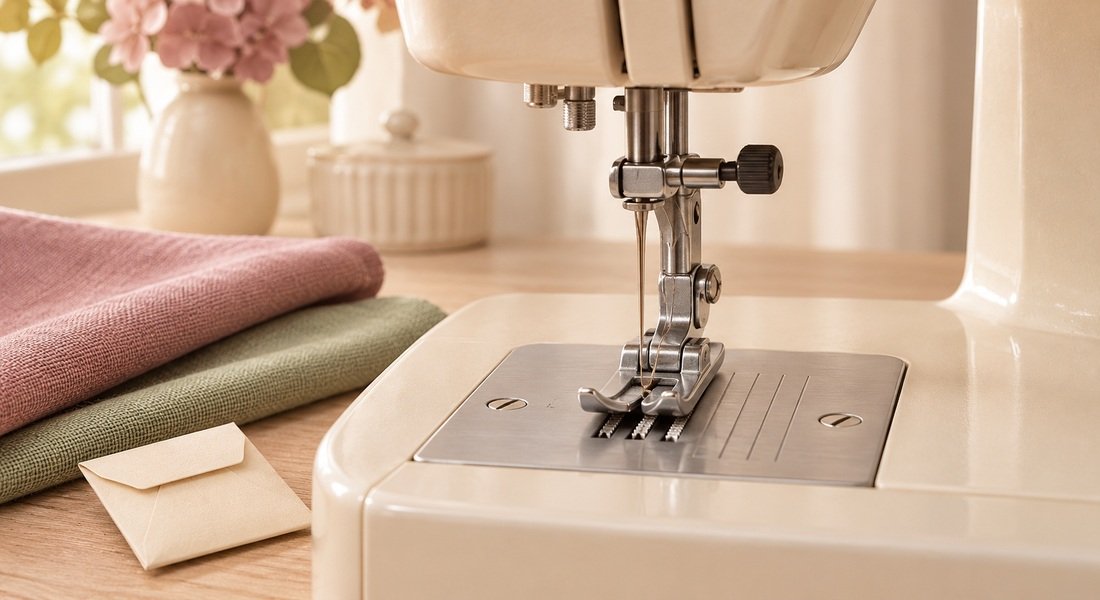
Uneven feeding can cause one layer to creep ahead of another. Check the needle, threading, tension and presser-foot pressure where adjustable. Support the fabric so its weight does not pull it away from the needle. A compatible walking foot or dual-feed system may help with some fabrics and layered seams.
A well-maintained domestic machine can produce excellent tailored seams. Consider an upgrade only if repeated tests show that the existing machine cannot reliably perform the required operations.
The serger: finish without distortion
A serger is useful for controlling fraying, but its feed settings and trimming knife can also affect the finished edge. Test differential feed, stitch width and tension on scraps. Adjust one setting at a time until the edge lies flat. When fitting allowances need to be preserved, avoid trimming them prematurely.
Industrial straight-stitch machines
An industrial machine designed for a particular material range can offer consistent feeding, speed and repeatable stitching in suitable applications. It is not automatically better for every fabric or operation. Consider the machine’s intended fabric weight, needle system, motor control, table space and maintenance requirements.
Pressing equipment: preserve the intended shape
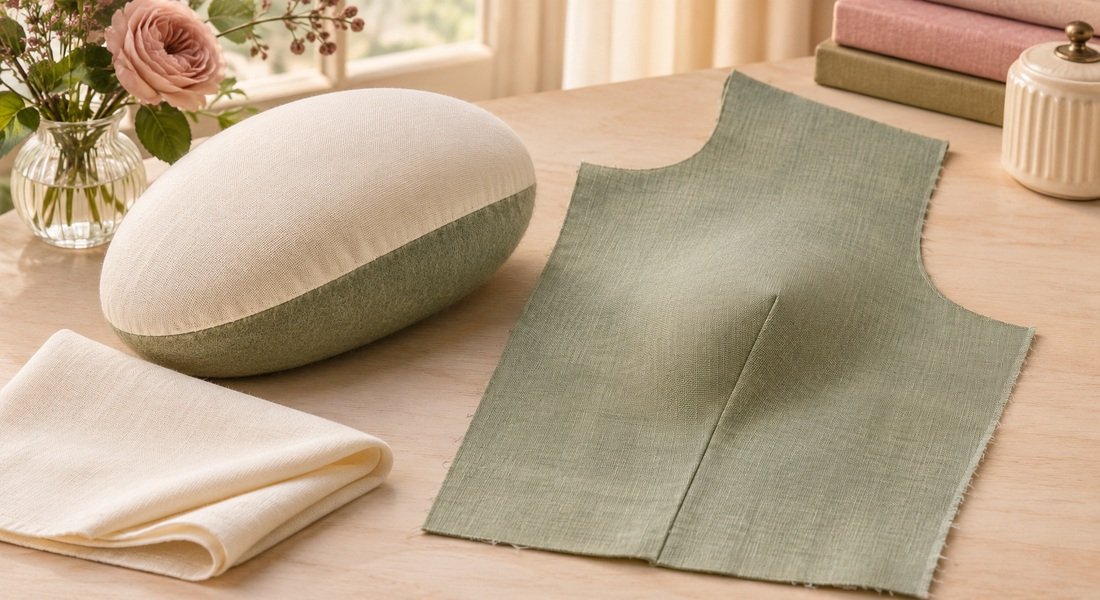
A controllable steam iron, press cloth, tailor’s ham and seam roll can help produce smooth seams and shaped edges. A gravity-feed iron may be useful for frequent pressing, but a suitable domestic iron is sufficient for many projects. Match heat, moisture and pressure to the fabric and allow the area to cool before handling.
The garment steamer
A steamer can relax wrinkles in compatible finished fabrics without the same direct pressure as an iron. It does not replace seam pressing during construction, and some materials respond poorly to steam. Follow the care guidance and test before treating a finished garment.
| Equipment | Problem it may address | What to test first |
|---|---|---|
| Domestic sewing machine | Layer shifting or inconsistent seams | Needle, feed, tension and support |
| Serger | Rippled or stretched edges | Differential feed and trimming width |
| Industrial machine | Repeated limitations in a specific operation | Material suitability and sample stitching |
| Pressing equipment | Unwanted ridges or poorly shaped edges | Heat, moisture, support and cooling |
| Steamer | Wrinkling in compatible finished cloth | Fabric response and care instructions |
Decide what is worth buying
Sew a sample of the troublesome operation using the same layers as the garment. Measure it before and after construction. Compare the result after changing one variable. If you are considering new equipment, ask to test that same sample on the proposed machine.
Equipment cannot correct an inaccurate pattern or insufficient ease. Its value is in helping you execute the construction method accurately and consistently. For more on shaping with an iron, see The Importance of Pressing During Construction.
Back to The Sewing Journal